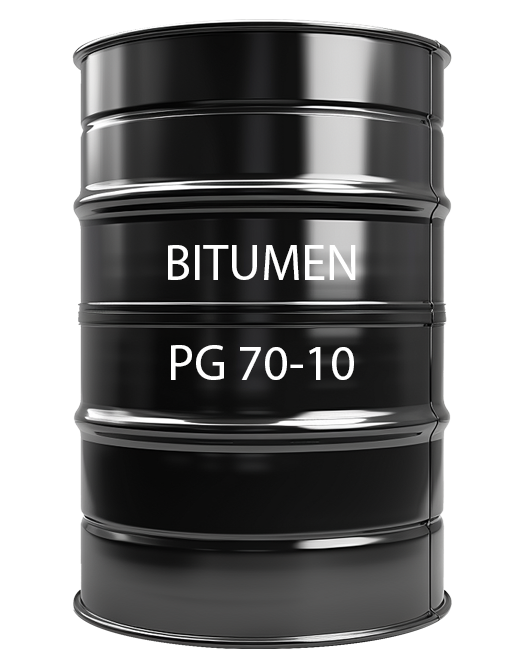
PG 70-10 Bitumen

Performance Grade (PG) bitumen PG 70-10 is a type of asphalt binder categorized within the Superpave Performance Grading (PG) system. This classification system ensures that bitumen can withstand specific temperature conditions, making it suitable for various pavement applications.

  • Appearance: Black solid or a viscous liquid
  • Standards: AASHTO M 320-16
  • HS Code: 27132000

Package: Bitumen are packed in

  • New Steel Drums of 200Kg / 180Kg / 156Kg / Customized
  • Jumbo Bags of 1Ton
  • Bulk Bitumen Tank Container

Performance Grade PG 70-10 Bitumen – Technical Specifications

Properties Units Limits Test Methods
Average 7-day maximum pavement design temperature °C <70
Minimum pavement design temperaturea °C >10
Original Binder

Flash Point

°C Min. 230 AASHTO T48

Viscosityb @135°C

Pa.s Max. 3.0 AASHTO T316

Dynamic Shearc , G*/sin δd at 70°C at 10rad/s

kPa Min. 1.0 AASHTO T315
Residual Binder from Rolling Thin-Film Test (AASHTO T240 / ASTM D2872)

Mass changee

%Wt Max. 1.0 AASHTO T240

Dynamic Shear, G*/sin δd at 70°C at 10rad/s

kPa Min. 2.2 AASHTO T315
Pressure Aging Vessel Residue (PAV)

PAV Temperature

°C 100 AASHTO R28

Dynamic Shear, G*.sin δd at 34°C at 10rad/s

kPa Max. 5000 AASHTO T315

Creep Stiffnessf at 0°C

AASHTO T313

    – S value

Mpa Max. 300

    – M value (slope)

Min. 0.30

Direct Tensionf at, 0°C

AASHTO T314

    – Failure strain, test temp @ 1.0 mm/min

% Min. 1.0

Notes
a – Pavement temperatures are estimated from air temperatures using an algorithm contained in the LTPP Bind program, may be provided by the specifying agency, or by following the procedures as outlined in M323 and R35.
b – This requirement may be waived at the discretion of the specifying agency if the supplier warrants that the asphalt binder can be adequately pumped and mixed at temperatures that meet all applicable safety standards.
c – For quality control of unmodified asphalt binder production, measurement of the viscosity of the original asphalt binder may be used to supplement dynamic shear measurements of G*/sinδ at test temperatures where the asphalt is a Newtonian fluid.
d – G*/sin? = high temperature stiffness and G* sinδ = intermediate temperature stiffness.
e – The mass change shall be less than 1.00 percent for either a positive (mass gain) or a negative (mass loss) change.
f – If the creep stiffness is below 300 MPa, the direct tension test is not required. If the creep stiffness is between 300 and 600 MPa, the direct tension failure strain requirement can be used in lieu of the creep stiffness requirement. The m-value requirement must be satisfied in both cases.

Main Applications Of Performance Grade PG 70-10 Bitumen

PG 70-10 Bitumen design allows for excellent resistance to rutting at elevated temperatures and cracking in colder weather, making it an ideal choice for various heavy-duty pavement applications. Various applications are

  1. Highways and Major Roadways: Commonly used for paving high-traffic highways and major roadways in hot climates. Ensures stability and durability under heavy loads and elevated temperatures.
  2. Airports and Runways: Suitable for airport runways and taxiways, where it can handle the weight and movement of aircraft without deforming.
  3. Bridges and Overpasses: Applied in the construction of bridge decks and overpasses, providing resistance to deformation and cracking from thermal stresses.
  4. Industrial Areas and Heavy Traffic Routes: Ideal for industrial roads and heavy-duty pavements, supporting high-load vehicles and ensuring long-lasting performance.
  5. Rehabilitation Projects Used in asphalt overlays for the rehabilitation of existing pavements, enhancing their strength and durability.

Its high-performance characteristics make it suitable for heavy-duty pavements that need to withstand both high temperatures and significant traffic loads, ensuring durability and long-term service life.

Various Packing Method for PG 70-10 Bitumen

Packing bitumen is an essential process to ensure its safe transportation, storage, and handling. The method of packing often depends on the type of bitumen, the transportation method, and the end-use. Here are the various methods used to pack bitumen:

Drum Packing

Bitumen is commonly packed in steel drums, which are robust and provide good protection during transportation.

Jumbo Packing

Bitumen is packed in high-density polyethylene (HDPE) bags and are lined with a plastic bag to prevent leakage.
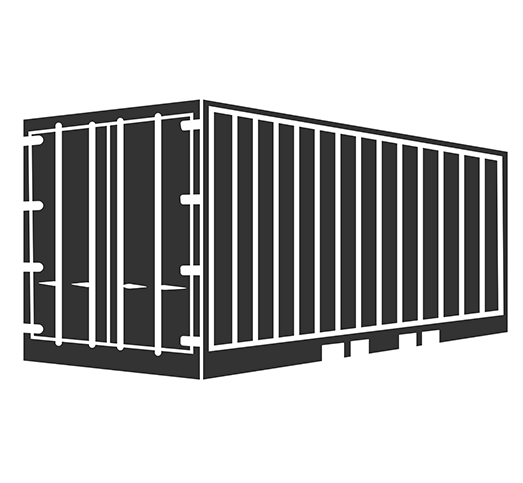
Tank Container

These are large, insulated containers used for the international transport of bitumen.

    Contact Us

    Preferred Contact Platform*

    About us

    We specialize in the supply of refined petroleum products, supporting infrastructure and industrial projects with reliable sourcing, competitive pricing, and flexible delivery solutions.

      LET’S KEEP IN TOUCH!

      We’d love to keep you updated with latest market insights


      We don’t spam! Privacy Policy Read our for more info

      Similar Products

      Explore our range of high-quality bitumen products designed for all your construction and paving needs.